
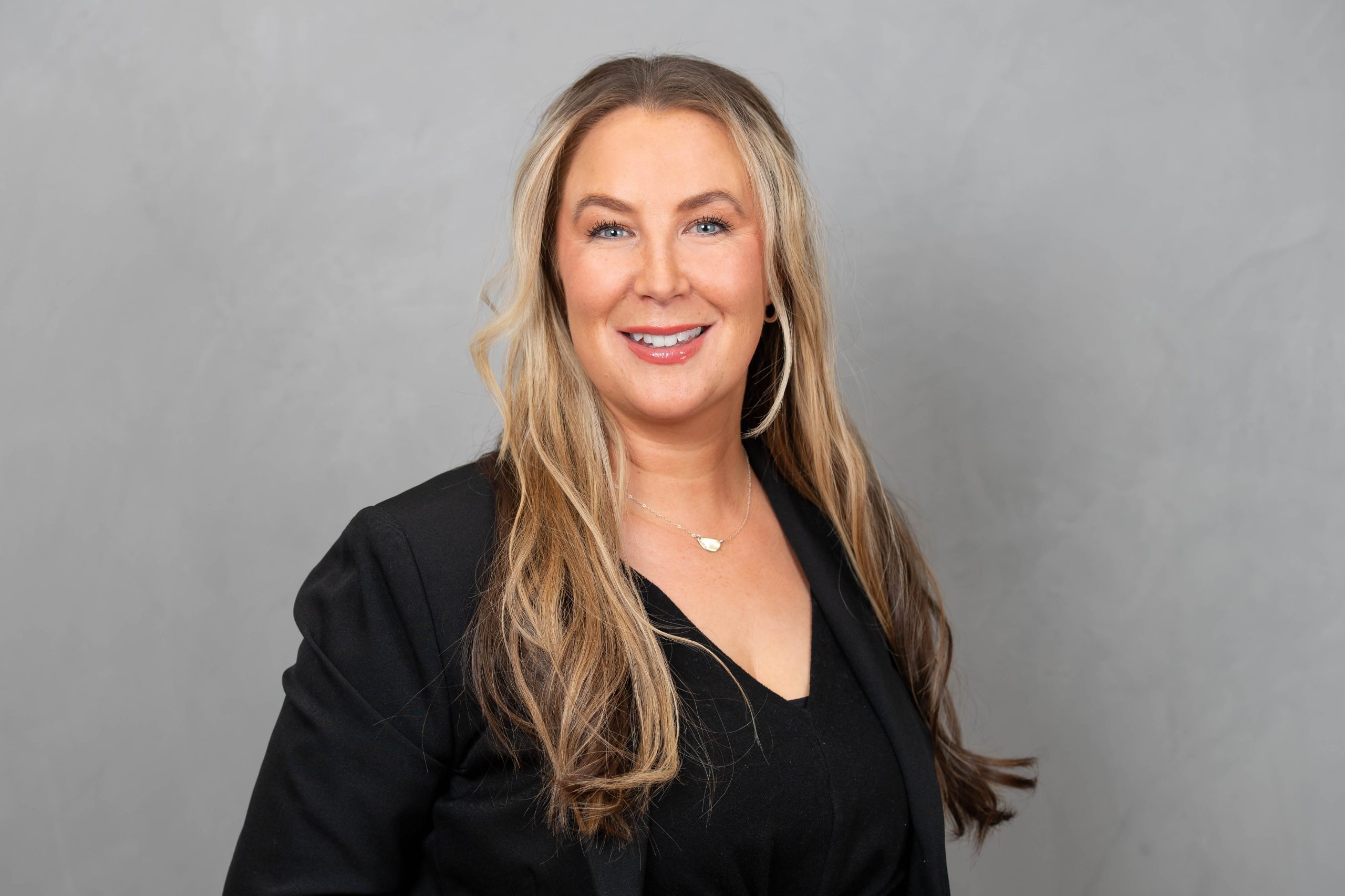
If you are being asked to photograph business headshots for corporate companies, or even personal brands, and you are stuck on where to start, then you’re not alone. I’ve been helping a lot of commercial photographers in the early stages of their career figure this out in my Photographers Only Business Membership and in private mentoring because pricing is getting people stressed out. There are three main pricing models worth knowing, and once you understand them, you can choose the one that feels right for you and your business.
Model 1: Sitting Fee + Per Headshot Fee
This is the model I find gives photographers the most earning potential, and it’s the one I recommend most often.
Here’s how it works: you charge a sitting fee for showing up, setting up your portable studio, preparing the lighting, and getting everything ready at your client’s office and sending the proof gallery for them to make selections from so it’s admin tasks as well. This is a separate line item in your quote. Then you charge a per headshot fee for each retouched, licensed image you deliver.
So if you’re photographing three people, you’re quoting for three retouched and licensed headshots. If those three people each want two looks say, one indoors and one outdoors you’re now quoting for six headshots. Two per person.
In terms of rates, the sitting fee can range from around $200 to $1,000 depending on your market, experience, and what’s involved in the setup. The per headshot charge can range from $50 to $500 per person, per headshot.
This model is written in a multi lined quote:
Line 1 Sitting fee – $xxx Line 2 Headshot Fee – $xxx then you would add the inclusions underneath these headings.
This model rewards you properly for the full scope of what you’re doing. The sitting fee covers your time, your travel, your setup, parking all the things that happen before a single shutter is pressed. The per headshot fee reflects the creative and post-production work for each individual image. Separated out, your quote is clear, transparent, and professional.
Model 2: Flat Fee Per Person
Some photographers prefer to keep things simple, and this model is exactly that.
You charge a flat rate per person, regardless of setup costs or number of images. I’ve seen photographers charge anywhere from $160 to $200 per person for corporate headshots. So if you’re photographing ten people at $200 per person, that’s a $2,000 shoot. Clean, simple, easy to communicate.
The appeal here is clarity for both you and your client. There’s nothing to explain, nothing to itemise, and no variables to account for mid-conversation. You say the number, they understand it immediately and you can also explain that the licence is included, the retouching, and the fee to show up and set up on location.
The trade-off is that you can sometimes leave money on the table, particularly on smaller jobs where your setup time represents a significant portion of your costs. That’s why it’s worth doing the maths before you commit to a model.
Model 3: Hourly or Day Rate
The third option is to charge by the hour, regardless of how many people you photograph.
If you shoot ten people in an hour, you charge your hourly rate. If you shoot 50 people in that same hour, you charge the same rate. It’s time-based, not volume-based.
This can work well for photographers who are fast, efficient, and working with clients who have large teams moving through quickly. The risk, of course, is that it doesn’t reward you for the complexity or volume of the job if anything, being good at what you do can work against you financially, unless you bulk out to a ½ day or full day rate.
Which Model Is Right for You?
Here’s my honest advice: choose the model that you can confidently pitch to a client without second-guessing yourself.
I’ve put all three models in front of my mentoring clients and watched them choose different paths based on what feels natural to sell. Some find the sitting fee plus per headshot model too much to explain or put into a quote with separate line items, so they go with a flat per person fee. Others love the transparency of breaking it out. Some prefer the simplicity of an hourly rate.
Whatever you choose, do this one thing first: map out the final figure. Run the numbers on a real scenario say, ten people, two hours, whatever’s typical for you and look at what you’d actually earn. Then ask yourself honestly: Is this enough? Am I covering my costs and my time and doing this work justice?
If the answer is no, adjust. Don’t be afraid to charge what you need to make it worth your while and provide for the client.
A Note on Sliding Scales
You will see photographers offer sliding scale pricing the more headshots in a booking, the lower the per headshot fee. If you want to do this, keep it broad. Something like: one to thirty people is one rate, thirty-plus is another. What you don’t want is a tiered structure so granular it becomes a puzzle to quote from. One to ten, ten to twenty, twenty to thirty that’s far too complicated and changes the rate too often, for you and for your client. Ex 1-30 people ($200 per headshot) 30 or more people ($140 per headshot) then leave it there instead of more and more scales.
Mini Sessions for an individual
For corporate professionals who approach you as an individual, rather than a corporate team, a headshot mini session would be most appropriate. The session is 30 mins and they receive their choice of 2 final images from a proof gallery provided to them after the shoot. This works well for me, commonly priced at $550 with GST, you can see my headshot page here as an example of that offering.
Optional extras for headshot session
You also have the opportunity to earn a little extra through add-ons that genuinely support your client. These can include:
- Additional image files — $50–$500 each, or an upgrade to the full gallery for $xxx
- Hair and makeup — charged as an additional fee
- Extra retouching — beyond what’s included in the standard delivery
- Additional location fee — if shooting in more than one spot
- Additional call-out fee — for photographing team members who weren’t available on the original photo shoot day.
On Charging What You’re Worth
Corporates are used to paying professional rates for services of all kinds and headshots are no different. I’ve seen photographers charge $500 per headshot and book that work without hesitation. Please don’t be scared to charge in that range.
You serve your client better when you’re charging properly. When your pricing covers your costs of doing business, your energy, and your expertise, you show up differently. You invest more fully in the work. You deliver a better result. Undercharging doesn’t make you more generous, it makes you more depleted.
Choose your model, run your numbers, and charge what it’s worth for you to do the job well.


