Your website says you’re collaborative. It says you put clients first. It says your team is sharp, engaged, and easy to work with. Now look at the photos. Do they say the same thing?
For most companies, the answer is no. The copy tells one story. The imagery stock photos of strangers shaking hands, or a stiff row of headshots against a grey backdrop tells another. And when the two don’t match, the audience believes the photos, not the words. Images are processed faster than text and trusted more instinctively. If there’s a gap between what you say and what you show, that gap is where trust quietly leaks out. This is what corporate photography is actually for.
What Corporate Photography Really Sells
People don’t hire companies. They hire the people inside them.
Before a prospective client picks up the phone, they’ve already formed an impression usually from your website, and usually in under a second. If that impression is built on generic stock imagery, you’re asking them to trust a business they’ve never actually seen. If it’s built on real photographs of real people, in the real spaces where decisions get made, you’re giving them something stock photography never can: evidence.
Corporate photography, done properly, isn’t about making your business look good. It’s about making your business look true. The two aren’t always the same thing and clients can tell the difference, even if they couldn’t explain how.
Your Website Says You’re Collaborative. Does It Look Collaborative?
This is the test every corporate website should pass, and almost none do.
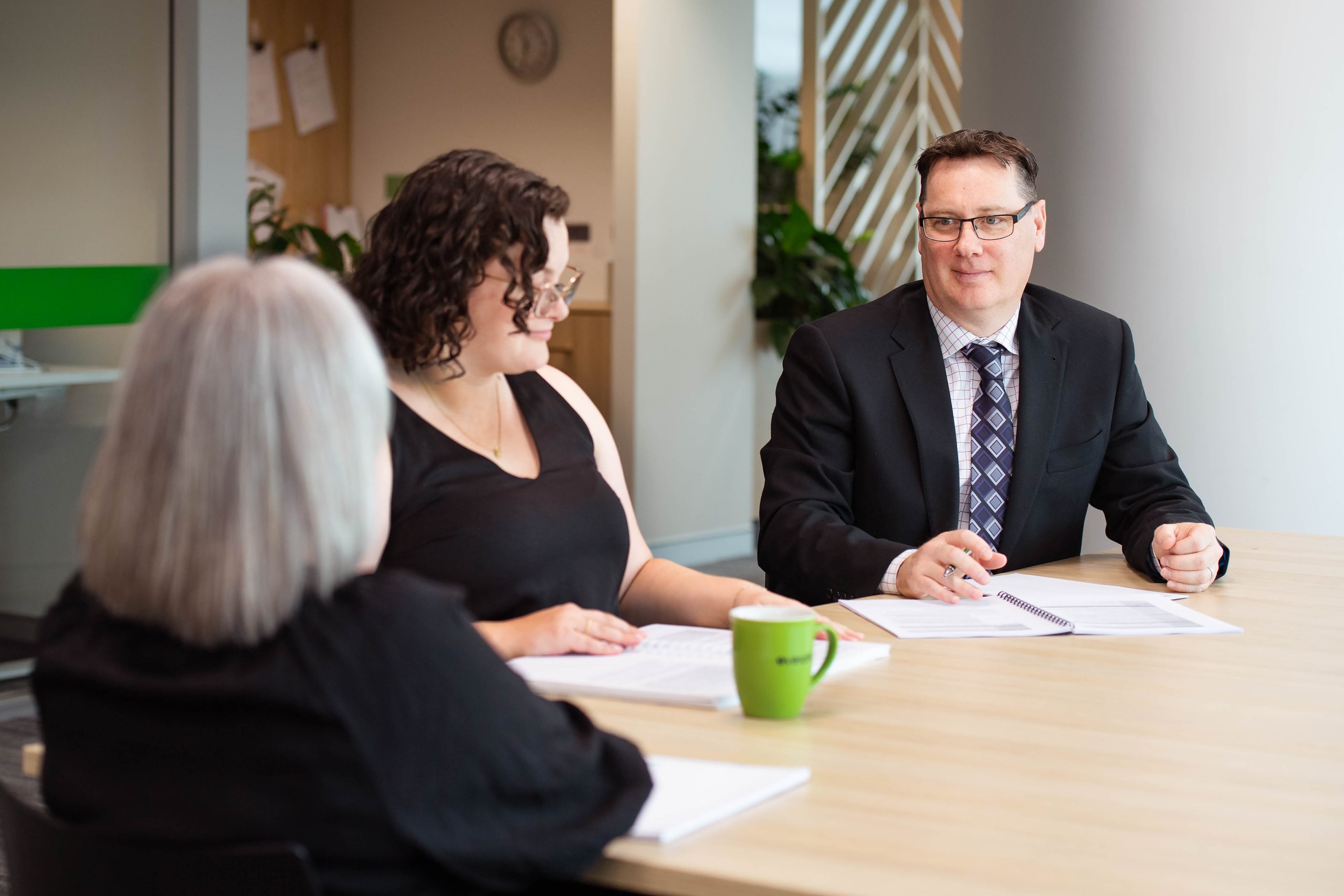
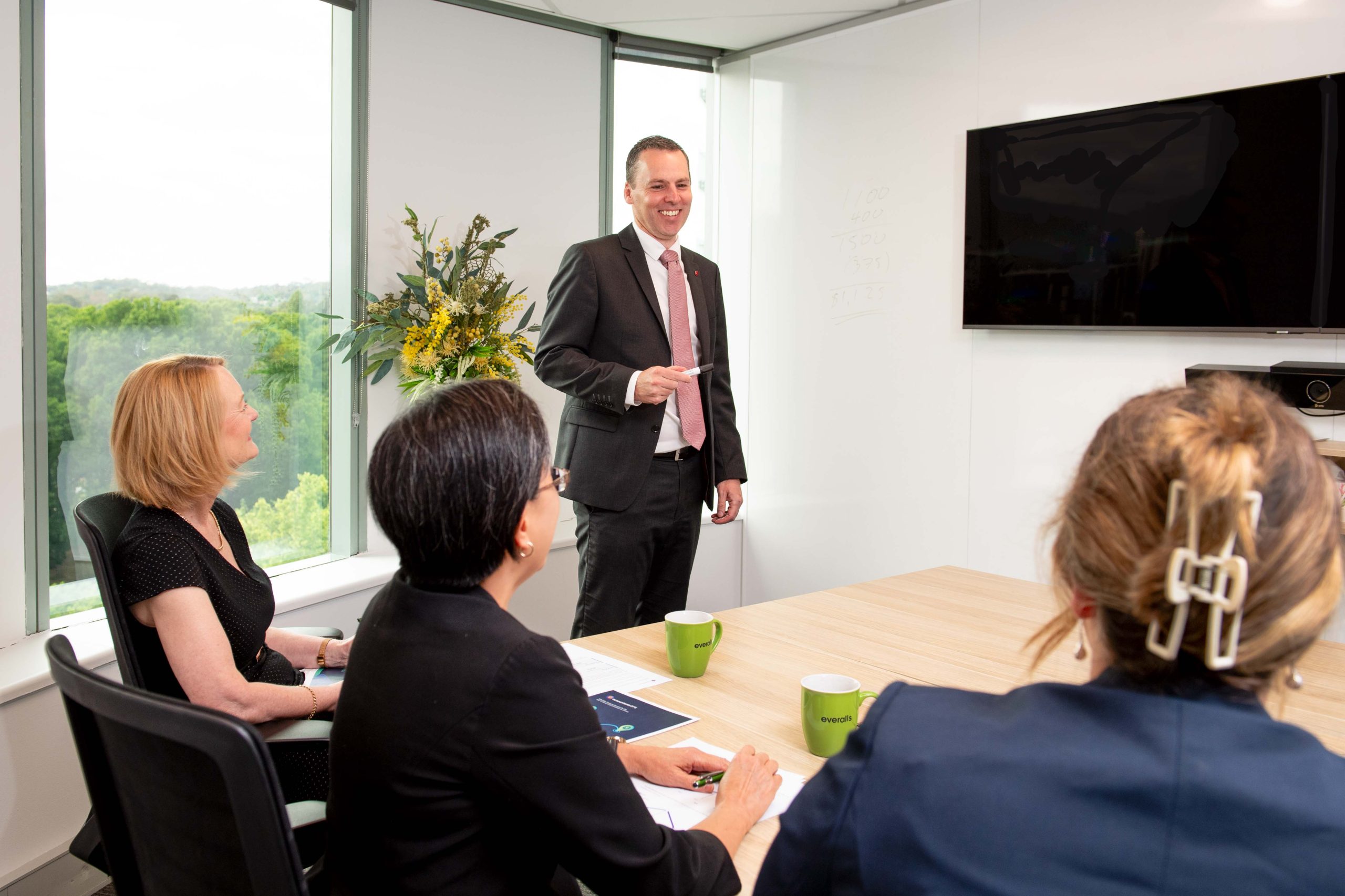
Picture the boardroom mid-meeting. Not posed. Not everyone smiling at the lens. A team leaning into a whiteboard, mid-disagreement about the right way forward. A client and account manager across the table, papers spread out, genuinely listening to each other. Someone laughing at something that wasn’t meant to be funny. These are the moments that make a business feel inhabited not staged for a camera, but caught in the act of actually being itself.
This is the difference between a photograph of a company and a photograph that proves a company. One is decorative. The other is credible.
When a prospective client scrolls through your site and sees your team working the way you claim to work engaged, present, collaborative they don’t need to be told you’re a good fit. They can see it. You’ve done the persuading before the first conversation even happens.
The Boardroom as Proof, Not Backdrop
The boardroom gets treated as a functional space somewhere meetings happen, not somewhere a business’s character gets revealed. That’s a missed opportunity, because the boardroom is one of the most honest rooms in any organisation. It’s where strategy gets debated, where clients get won, where culture is either genuinely present or conspicuously absent.
Photographed well, the boardroom becomes a stage that tells three stories at once:
- How your team works together the body language of real collaboration: leaning in, gesturing, disagreeing productively, building on each other’s ideas.
- How your team works with clients attentiveness, warmth, professionalism that isn’t performative because it wasn’t posed.
- What it would feel like to be in the room which, for a prospective client trying to picture a working relationship with you, is the entire point.
None of this comes from a photographer asking everyone to look at the camera and smile. It comes from documenting the room as it actually behaves which takes a different skill entirely, and a photographer who knows how to be in a room without changing what happens in it.
Why Generic Stock Photography Undermine Trust
Stock photography has a tell. It’s not the resolution or the lighting it’s the expression. Stock models are performing “business” the way an actor performs a role they’ve never lived. The eye contact is a fraction too long. The smile is aimed at nobody. And audiences, even without consciously noticing, register it as inauthentic.
Stock icons and generic illustrated graphics have the same problem, only more so. Scroll through enough corporate websites and you’ll start recognising the same recycled icon sets and the same interchangeable “teamwork” graphics turning up on competitor after competitor. They’re not wrong, exactly they’re just invisible. Nobody remembers a business because of its icon set.
Customised photography of your actual team, in your actual Canberra office, is one of the few genuine differentiators left. It can’t be downloaded from the same library your competitor used. It’s not interchangeable. It’s evidence that this business this room, these people exists, and that’s precisely what makes it memorable.
Corporate photography that documents real environments real meetings, real collaboration, real client interactions solves both problems at once. It’s authentic and it’s complete. It shows your business the way your business actually operates, which is the only version a client can genuinely trust.
The Business Case for Investing in Corporate Photography
This isn’t only a marketing argument it’s a commercial one.
- It shortens the trust-building process. A prospective client who already feels like they know your team arrives at the first meeting further along than one who’s starting cold.
- It differentiates you in a sea of sameness. Most corporate websites in any given sector use near-identical stock libraries or dated staff photos. You can have a customised library of images for your company that can last years and bring a huge return on the initial investment. Which can be as little as $3500-$8000 depending on the size of your team and the packaging size of the images delivered.
- It gives you a content library, not a single asset. One well-planned corporate photography session produces imagery for your website, LinkedIn, pitch decks, annual reports, and recruitment material all pulling from the same authentic, on-brand well.
- It ages better than you’d expect. Genuine, well-composed environmental photography doesn’t date the way trend-driven stock imagery does. It looks like your business, not like 2019.
For a business investing seriously in how it’s perceived by clients, by partners, by future hires this is not a discretionary spend. It’s foundational.
What to Expect from a Corporate Photography Session
A strong corporate photography session isn’t a few hours of everyone standing awkwardly by a window. It’s planned the way a documentary is planned with an understanding of your business, your culture, and the story you actually need told.
That typically means:
- A pre-shoot conversation about what your business needs the imagery to communicate collaboration, leadership, client care, innovation, or all of the above.
- Photographing real working moments meetings, client sessions, team discussions rather than staged re-creations.
- A mix of candid environmental shots and considered portraiture, so the final library works across every platform you need it for.
- A photographer experienced enough to be unobtrusive because the moment people start performing for the camera, you’ve lost the thing you came for.
Twenty years of photographing boardrooms, teams, and client meetings for organisations across banking, healthcare, government, and sport has taught me one consistent truth: the businesses that invest in showing up authentically are the ones clients trust fastest. The image is never just decoration. It’s the first handshake.
Ready to show your business the way it actually works? [Get in touch] to talk through a corporate photography session tailored to your team, your culture, and the story your website should be telling. View corporate photography information here